
Clear vision can be reassuring, but it does not always mean diabetes has left your eyes unaffected. Diabetes can damage small blood vessels throughout the body, including those in the retina—the light-sensitive tissue at the back of the eye. Early retinal changes may not cause pain, blur, or other obvious warning signs.
That is why a diabetic eye exam is an important part of diabetes care. It provides a closer look at retina health and can identify changes before you notice a problem in daily life.
How Diabetes Can Affect the Eyes
Over time, high blood sugar can damage or weaken retinal blood vessels. This can lead to diabetic retinopathy, a condition in which blood vessels may leak, swell, close off, or grow abnormally. Diabetes is also associated with a greater risk of other eye problems, including cataracts and glaucoma.
Blood sugar changes can sometimes cause temporary fluctuations in eyesight. However, diabetic retinopathy can also be present while vision still seems sharp. Waiting for symptoms may allow a condition to progress without monitoring. A comprehensive eye exam creates an opportunity to check both visual clarity and eye health.
What Makes a Diabetic Eye Exam Different?
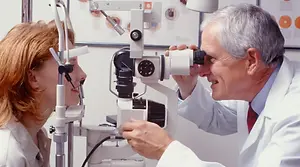
A diabetic eye exam places particular attention on the retina and other structures that diabetes may affect. Your optometrist will review your health history, diabetes diagnosis, medications, blood sugar management, and any visual changes. The examination may include dilation or retinal imaging when appropriate so the doctor can look for concerns such as:
- Small retinal hemorrhages or leaking blood vessels
- Swelling in or near the macula, which supports detailed central vision
- Changes in retinal circulation
- New or abnormal blood vessel growth
- Other signs that require closer monitoring or referral
Through eye disease management, Bay View Eye Care Center can document findings, compare changes over time, and explain whether follow-up or coordinated care is needed.
How Often Should You Have a Diabetic Eye Exam?
Many people with diabetes are advised to have a dilated, comprehensive eye exam every year, but the right schedule depends on the type of diabetes, how long you have had it, pregnancy, previous findings, and your overall health. Someone with existing diabetic eye disease may need more frequent monitoring, while another patient may receive a different interval based on current clinical guidance and their doctor's recommendation.
If you have recently been diagnosed, ask your diabetes care provider and eye doctor when your first exam should occur. Do not assume that a recent glasses check, vision screening, or lack of symptoms replaces an exam focused on diabetes-related eye health.
What You Can Do Between Exams
Eye care is one part of a broader diabetes management plan. Work with your healthcare team to manage blood sugar, blood pressure, and cholesterol as directed. If you smoke, ask for help quitting. Keep a record of medications and health changes, and bring it to your eye appointment.
Seek prompt care if you notice a sudden increase in floaters, flashes of light, dark or missing areas in your vision, marked blur, or another sudden vision change. Do not wait for your next routine visit. If you are unsure how medical and vision benefits may apply, review the practice's insurance information or contact the office for guidance specific to your plan.
Protect Your Sight Before Symptoms Start
A diabetic eye exam is valuable precisely because you may feel and see normally. Early detection can lead to closer monitoring, timely referral, and treatment when needed. Request an appointment with Bay View Eye Care Center for a diabetic eye exam in Campbell, and follow the examination schedule recommended for your health history.