
At Bay View Eye Care Center in Campbell, we take a calm, careful approach focused on diagnosis, clear explanations, and practical treatment recommendations that fit your needs.
Dry Eye Care in Campbell, CA

Dry Eye Has More Than One Cause
Dry eye is not one single condition. Some people do not make enough tears, while others have tears that evaporate too quickly or do not stay balanced on the eye’s surface.
Because the cause can differ from person to person, the most effective care starts with understanding what is driving your symptoms.
Common Symptoms of Dry Eye
Dry eye does not always feel like “dryness,” and symptoms often worsen later in the day. You may notice:
- Burning, stinging, or irritation
- A gritty or sandy feeling
- Watery eyes or frequent tearing
- Redness
- Blurry vision that comes and goes, especially during screen use
- Sensitivity to wind, air conditioning, or smoke
- Contact lenses that become uncomfortable sooner than expected

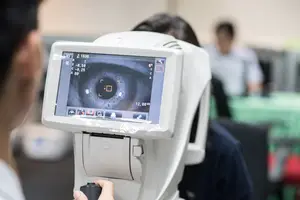
A Dry Eye Evaluation Focused on Answers
Many patients come in after trying drops on their own without lasting relief.
During your visit, we listen to what you are experiencing and when it happens, then evaluate the surface of your eyes and the health of your eyelids.
This helps us identify the type of dry eye you have and what is most likely to improve your comfort.
BlephEx for Eyelid Hygiene When It Is Helpful
When dry eye is linked to eyelid inflammation or buildup along the lash line, we may recommend BlephEx. BlephEx is our primary in-office tool for improving eyelid hygiene and reducing debris that can affect tear film quality and comfort. Not every patient needs BlephEx, and we will only recommend it when it aligns with what we see during your evaluation.
We do not use IPL for dry eye treatment at our practice.

We Help You Get Dry Eye Relief Built Around Your Diagnosis
Dry eye care does not always require expensive machines. What matters most is choosing treatment based on the specific type of dry eye you have and the factors that are contributing to it, such as screen habits, environment, eyelid inflammation, or tear film instability. We may recommend targeted at-home steps, office-based care when appropriate, and prescription medications when they are the right fit for your diagnosis.